

Swift Insights
Analytics and Business Intelligence Team
March 16, 2026
Organizations today collect more data than at any point in history. Yet without data visibility for decision making, that information rarely helps leaders act quickly. Many companies are surrounded by data but still struggle to turn it into clear, confident decisions.
The problem is not a lack of information.
The real challenge is data visibility for decision making.
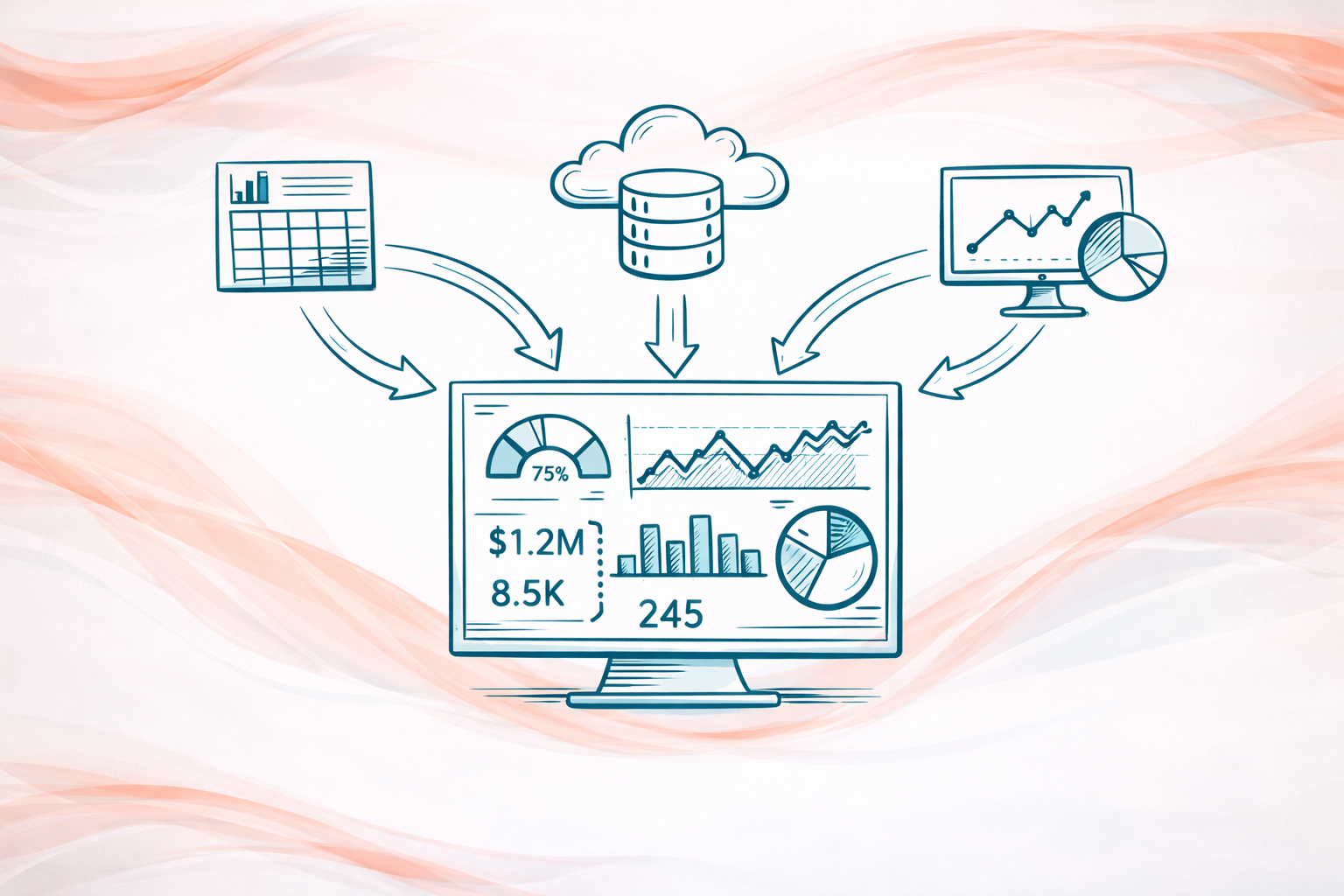
In many organizations, valuable insights remain buried in spreadsheets, isolated reporting tools, and disconnected analytics systems. Leaders often spend more time reconciling numbers across multiple reports than interpreting insights that can drive action. This gap between data availability and decision clarity has become one of the defining challenges of modern analytics environments.
Organizations that close this gap typically focus on three key areas:
- visibility
- trust in the data
- modern data infrastructure
- modern data infrastructure
When these elements work together, analytics stops being a reporting exercise and becomes a decision engine.
The Data Explosion Has Not Solved the Decision Problem
Over the last decade, organizations have dramatically expanded their ability to collect and store data. Cloud platforms, enterprise applications, and digital systems now generate enormous volumes of operational information. Sales teams track customer activity, logistics systems monitor supply chains, and operational platforms record performance metrics across nearly every business process.
However, the presence of more data does not automatically lead to better decisions. In many cases, the opposite happens.
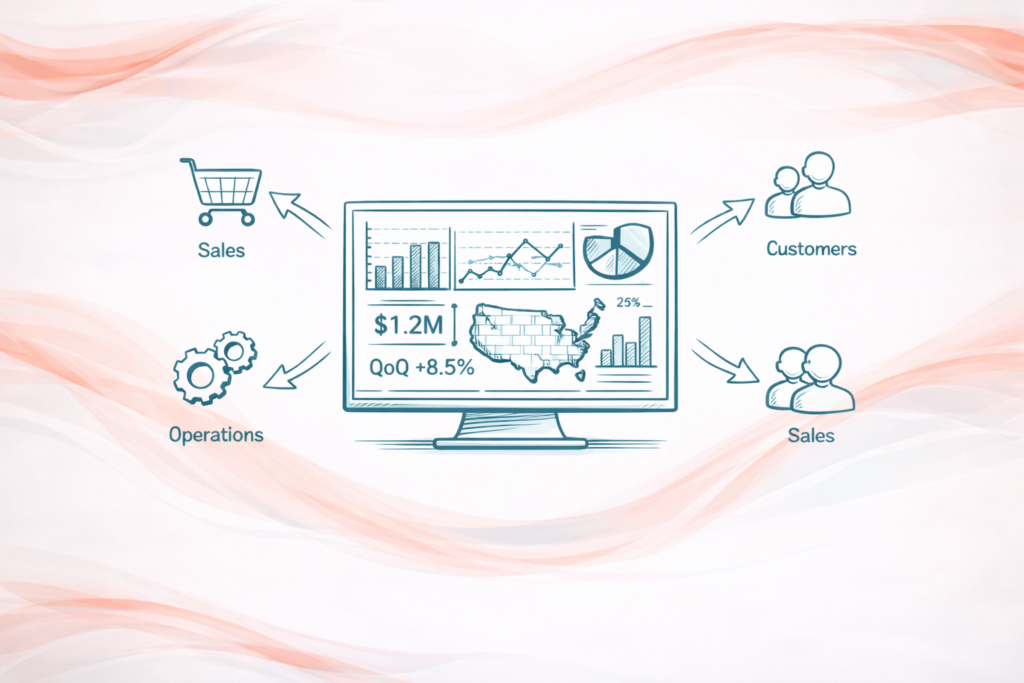
Organizations accumulate large amounts of data, but the information remains fragmented across multiple systems and reports. Leaders often rely on separate dashboards for finance, operations, sales, and customer analytics. Instead of gaining clarity, they are faced with multiple sources of truth.
This fragmentation creates a paradox: organizations possess more data than ever before, yet leaders still lack a clear view of what is happening across the business. This is where data visibility for decision making becomes essential.
According to widely recognized data visualization principles, raw data only becomes useful when it is presented in a format that decision makers can understand quickly.
Organizations that focus on improving visibility often start by strengthening their data visualization strategies through modern analytics platforms.
Visibility Turns Data Into Action
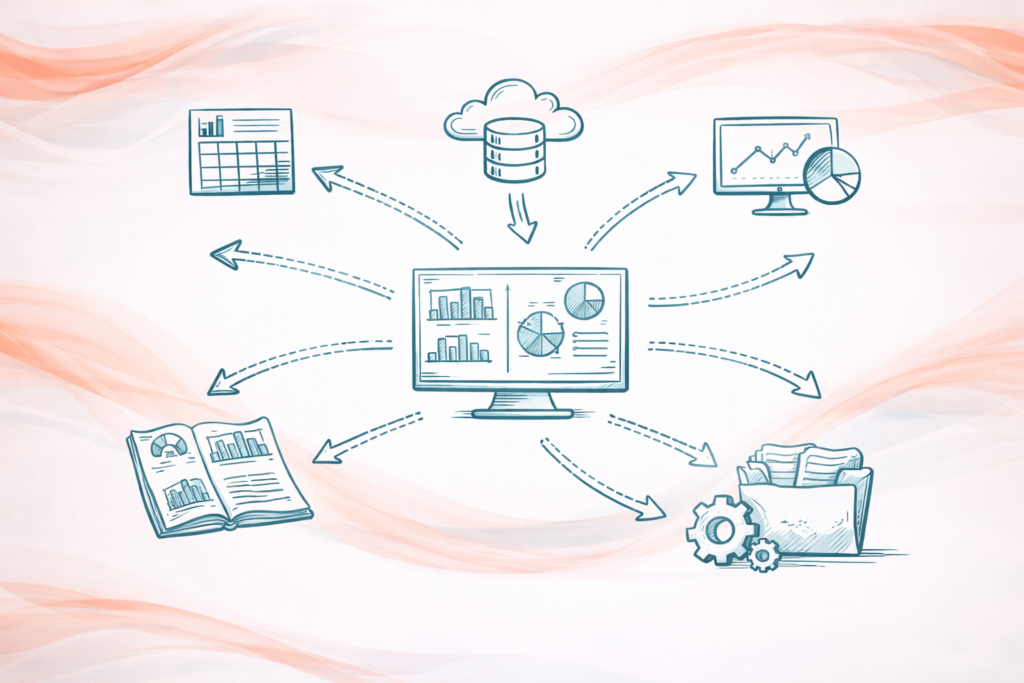
When leaders cannot easily see patterns in data, decision making slows down. Operational dashboards address this challenge by consolidating multiple metrics into a single, accessible interface. Instead of navigating multiple reports or spreadsheets, leaders can quickly understand what is happening across the organization.
For example, a well structured operational dashboard may combine:
- revenue performance
- product demand trends
- regional performance indicators
- customer activity
- customer activity
When these indicators appear together in a single view, patterns become immediately visible. Leaders can identify where performance is improving, where challenges are emerging, and which areas require immediate attention.
At this point, dashboards stop being static reports. They become decision support systems. Many organizations design executive dashboards specifically to help leadership monitor financial and operational performance more effectively.
How to Build an Effective Finance Dashboard that Saves You Money – Read Here
Why Data Governance Determines Whether Dashboards Are Trusted
Even the most sophisticated dashboards will fail if leadership teams do not trust the numbers displayed.
A common challenge in many organizations is that different teams calculate the same metrics differently. Finance, operations, and analytics teams may each produce slightly different figures for revenue, performance, or operational indicators.
When this happens, meetings shift away from decision making and toward debates about which numbers are correct. This is where data governance becomes critical.
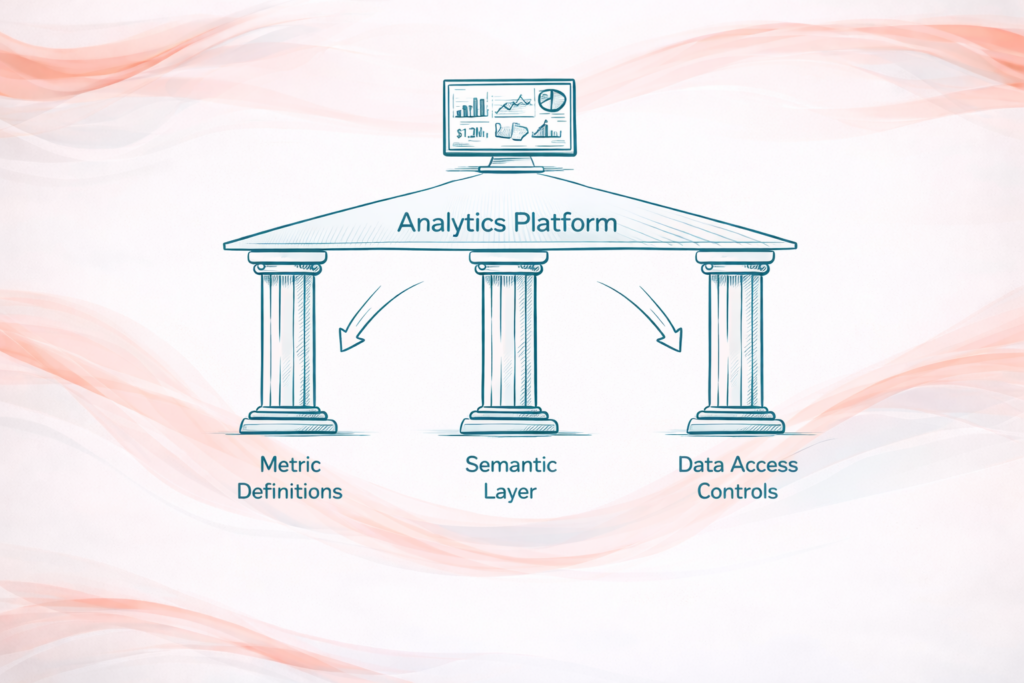
Effective governance ensures that everyone across the organization operates from the same definitions, the same trusted datasets, and the same reporting logic.
Strong governance frameworks typically include several foundational elements. Clear metric definitions ensure that key performance indicators are interpreted consistently across teams. A semantic layer standardizes how data models and metrics are used across dashboards and analytics tools. Access controls protect sensitive data while still allowing teams to analyze information efficiently.
When governance is implemented effectively, it does not slow down analytics. Instead, it eliminates confusion and allows organizations to move faster because leaders trust the numbers they see.
Modern Data Infrastructure Is Enabling Faster Analytics
In addition to visibility and governance, organizations are transforming the infrastructure that supports analytics.
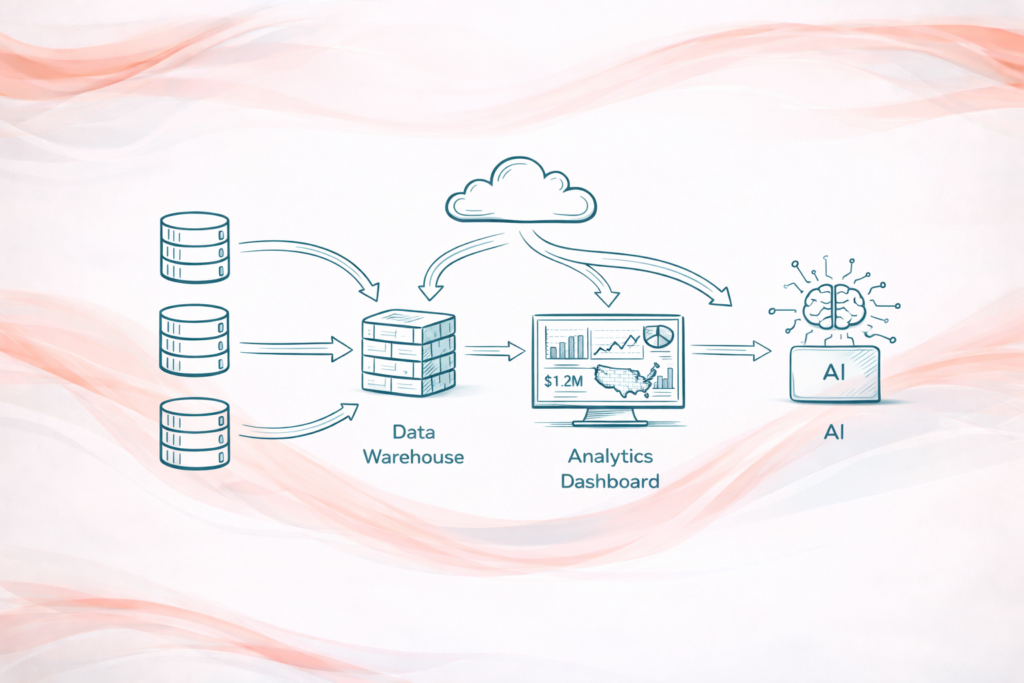
Modern data environments rely on cloud storage, automated pipelines, and scalable processing systems that allow organizations to handle large volumes of data efficiently.
These systems also enable advanced analytics capabilities such as machine learning and predictive modeling.
However, advanced analytics only produces value when the underlying data environment is reliable. Organizations are increasingly recognizing that successful analytics initiatives require strong data foundations.
That is why many companies are building integrated analytics environments where data engineering, governance, and visualization operate within a unified architecture.
For organizations looking to centralize analytics capabilities and simplify reporting environments, solutions such as Analytics as a Service platforms help build scalable data ecosystems.
Organizations exploring analytics transformation often combine infrastructure improvements with training programs that help teams better interpret and use data.
Organizations That Move Fastest Focus on Clarity
In many ways, the analytics challenge facing organizations today is not about collecting more data. Most organizations already have more information than they can realistically process.
The real competitive advantage lies in transforming that information into clarity for decision makers. Organizations that move fastest are not necessarily the ones with the most sophisticated technology or the largest datasets.
They are the ones that create environments where leaders can immediately see what is happening across the business, trust the numbers presented to them, and act quickly on the insights revealed.
Achieving this level of clarity requires alignment across several areas including:
- clear and visible dashboards
- trusted governance frameworks
- modern data infrastructure
- modern data infrastructure
When these elements come together, analytics becomes more than a reporting tool. It becomes a strategic capability that guides decisions and drives performance across the organization.
Organizations that prioritize data visibility for decision making will be better positioned to turn their data into a true competitive advantage.